
A practical guide you can bookmark and return to

How Thankfulness Can Improve Your Well-Being

Benefits of Direct Primary Care (and How It Can Serve Your Family Better)

Back-to-School Tips for Resilient Kid & Strong Immune Systems: A Functional Nutrition Perspective

Gut Health 101: What You Really Need to Know About Your Digestive System

"OMG! I Need a Break!" — Why Your Nervous System Might Be Crying Out for Help

In today’s fast-paced world, we often wear our busyness like a badge of honor. Saying, “I accomplished all of this and on only 4 hours of sleep!” is a point of pride for some. Maybe you’ve even said it yourself. Being the first one up, powering through a to-do list before the sun rises, staying late at the office—our culture often celebrates this hustle. But here’s the truth: skipping sleep isn’t a flex. It’s a fast track to burnout. When we consistently skimp on sleep, we disrupt our natural circadian rhythms. And let’s be clear—surviving isn’t the goal. Thriving is. The good news? Reclaiming your sleep doesn’t have to be complicated or overwhelming. A few simple tweaks can make a big difference. Here’s how to start: 1. Stick to a Sleep Schedule Go to bed and wake up at the same time every day—even on weekends. Your body loves rhythm, and staying consistent helps regulate your internal clock. (Don’t worry, the occasional late night won’t throw everything off!) 2. Ditch the Screens Before Bed Aim to power down all screens at least 30 minutes before bedtime. Yes, turn them all the way off! Ideally, shoot for 1–2 hours. If that’s not realistic, consider using blue light blocking glasses to help minimize disruption to your melatonin production. 3. Wind Down with Intention Before bed, give yourself time to relax. Read a book, take a warm bath, do some gentle stretching, meditate, or try a few minutes of breathwork. This is not the time for doom scrolling or binge-watching TV—your nervous system will thank you. 30 minutes of winding down can do wonders for your sleep quality! 4. Get Morning Sunlight Soak in some natural light within the first hour of waking up—10 minutes is all it takes. For an extra boost, get outside without glasses or contacts (if possible) and stand barefoot in the grass. Yep, nature is its own kind of therapy. 5. Turn Your Bedroom Into a Sleep Sanctuary Think cool, dark, and quiet. Use blackout curtains, adjust the thermostat (60-62 degrees), and consider a white noise machine. Small changes can make a big difference in sleep quality. In a world obsessed with productivity hacks and biohacking, it’s easy to forget that the most powerful tool for health and performance is already built in—and it’s free. Sleep isn’t a luxury. It’s a non-negotiable. So before you try the next supplement, gadget, or wellness trend, start with the basics. Prioritize your rest. Your body and brain will thank you. Sweet dreams 💤 The contents of your plan and/or this post should not be taken as medical advice. It is not intended to diagnose, treat, cure, or prevent disease. This is not intended to replace the advice of a physician. Always consult your physician or qualified health professional on any matters regarding your health and before physical activity or diet changes.
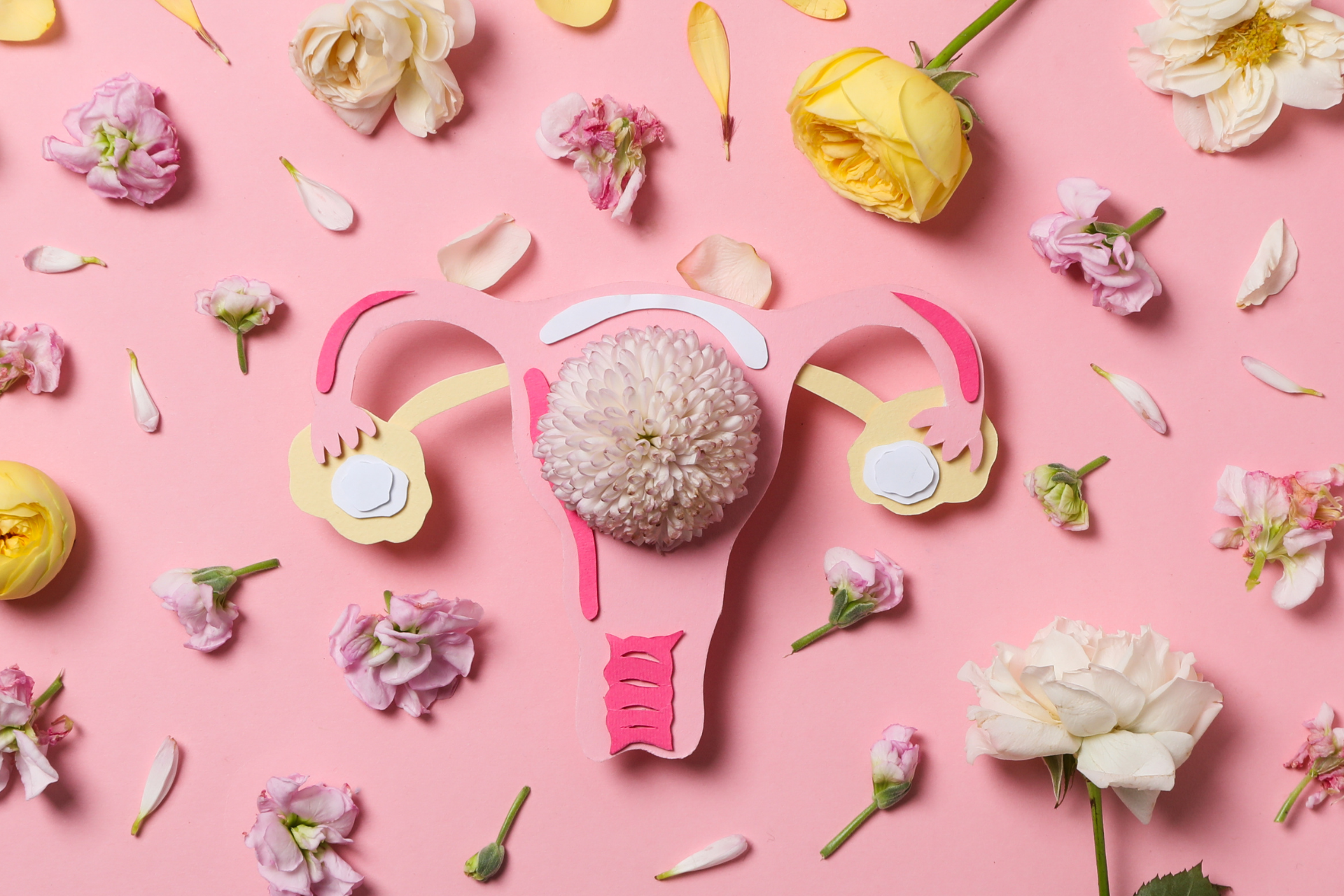
Women’s health deserves more attention. According to the latest Hologic Global Women’s Health Index , 24% of women report having health problems that prevent them from doing everyday activities people their age should be able to do. Too many critical health issues are overlooked, misdiagnosed, or dismissed. From heart disease to autoimmune disorders, women face unique risks that often go unrecognized until it’s too late. Knowing the most pressing concerns can help women better manage their health. Here are the key women’s health issues that demand urgent attention. 1. Heart Disease Did you know that coronary heart disease is associated with being the leading cause of death among women ? Yet the strangest thing is that it is often misdiagnosed or ignored. One reason for shortcomings in diagnosing heart disease among women is that the symptoms may often be atypical or differ from those in men. Instead of the hallmark chest pain, women may experience nausea, shortness of breath, fatigue, or even pain in the upper back or jaw. Additionally, there is a bias towards funding medical research on heart disease towards men . As a result, many women and even healthcare providers may not immediately associate their symptoms with heart disease. Regular screenings, a heart-healthy diet, and physical activity can help reduce the chances of developing heart disease. 2. Breast and Cervical Cancer Breast and cervical cancer are two other common cancers that affect women. Why? Women naturally have a higher risk factor for breast cancer due to heightened estrogen and progesterone levels that may promote cancerous cell growth. As for cervical cancer, the most associated cause is HPV (Human Papillomavirus). Women who are persistently infected with high-risk HPV strains like HPV-16 and HPV-18 are more likely to develop this cancer type due to changes in cervical cells . Specifically, it affects cell replication and causes these to replicate uncontrollably. Other factors that increase the risk for both cervical and breast cancer include a weakened immune system, smoking, long-term, and a family history of cancer. Early detection through regular screenings (mammograms and Pap smears) helps improve diagnosis accuracy and reduce mortality rates for both cancers. 3. Mental Health and Hormonal Imbalances Mental health concerns are often influenced by hormonal changes throughout a woman’s life. For instance, they are more likely to experience feelings of anxiety and depression, particularly during menstruation, pregnancy, postpartum, and menopause. Conditions like PCOS (polycystic ovary syndrome) and thyroid disorders can also be associated with mood disturbances and emotional instability. Despite strides being made in mental health awareness and support , stigma still prevents many women from seeking help. Perhaps a significant part of this stems from ignorance, misconceptions, and misdiagnoses. It is easy to dismiss mental health conditions among women as due to normal ‘mood swings’ or ‘stress’, leading to delays in proper treatment. The fear of being judged or dismissed may discourage many women from speaking out about their struggles. Some worry about being perceived as ‘overreacting’ or ‘weak’, while others fear acknowledgment of their mental health issues could negatively affect their careers or relationships. Seeking professional help should not be viewed as a last resort. Therapy, lifestyle adjustments, and, in some cases, medication can help manage symptoms and improve overall well-being. Increasing access to mental health care and normalizing discussions around mental health are essential steps toward ensuring women receive the support they deserve. 4. Autoimmune Disease Women are also disproportionately affected by autoimmune diseases (lupus, rheumatoid arthritis, and multiple sclerosis). Autoimmune diseases occur when the body’s immune system attacks its own tissues. This leads to chronic inflammation, pain, and in the latter stages, organ damage. Autoimmune disorders are often difficult to diagnose. Common symptoms like fatigue, joint pain, and brain fog, can overlap with other conditions. It may also lead to years of misdiagnosis or dismissal. Many women might have also experienced their symptoms being dismissed by their healthcare provider as stress or psychological-related before getting an accurate diagnosis. Hormonal changes also appear to influence the course of autoimmune disease. A scientific review noted that estrogen and progesterone may have a protective effect on rheumatoid arthritis . This may explain why some women see relief from their symptoms when these hormones are elevated. On the other hand, autoimmune symptoms often worsen postpartum and during menopause when hormone levels drop. There is no cure for autoimmune diseases, but early diagnosis and proper management may help alleviate its symptoms and improve quality of life. Treatment may include medications to reduce inflammation and suppress the immune system, following an anti-inflammatory diet and adopting a healthy lifestyle. 5. Reproductive Health and Infertility Reproductive health issues including endometriosis and PCOS can affect fertility. Endometriosis is often overlooked despite affecting about 10% of women of reproductive age . It occurs when tissue similar to the uterine lining grows outside the uterus, causing severe pain, unusually heavy periods, and in some cases, infertility . Meanwhile, PCOS which causes irregular periods characterized by lack of ovulation, may make it difficult for a woman to conceive. Like other autoimmune disorders, PCOS is chronic and cannot be cured—only managed. 6. Osteoporosis and Bone Health Women are more vulnerable to osteoporosis than men due to hormonal changes that occur with age. Estrogen plays a critical role in maintaining bone density, and when levels drop during menopause (due to ovaries no longer producing this hormone) , bones can weaken rapidly. Osteoporosis can lead to fractures, chronic pain, and reduced mobility. Preventative measures include maintaining a calcium- and vitamin D-rich diet, engaging in weight-bearing exercises, and undergoing bone density screenings. 7. Menopause and Aging Menopause is significant in women, as it marks the end of menstrual cycles and is accompanied by a decline in estrogen production. This could trigger various symptoms like hot flashes, night sweats, mood swings, sleep disturbances, and cognitive changes. You’ve probably seen the viral video of a woman at a sports event whose head was literally steaming from a hot flash —an exaggerated but very real example of how intense these episodes can be. Beyond the immediate discomfort, menopause also increases the risk of long-term health concerns such as osteoporosis, heart disease, and metabolic changes that lead to weight management problems. Despite affecting all women, there may still be a lack of education and support when it comes to managing menopause. Many struggle in silence and may be unsure if their symptoms are normal or if they should seek medical advice. Hormone replacement therapy (HRT) can be an option for managing symptoms, but it’s not suitable for everyone. 8. Postpartum Complications The weeks after childbirth are among the most critical times for a woman’s health. The mother’s recovery is as important as the baby’s safe delivery. Some postpartum complications may be mild and go away on their own, but others can be life-threatening without proper medical recourse. Postpartum complications can range from infections like endometriosis and blood clots to internal bleeding or hormonal imbalances. Proper postpartum care that helps a mother recover after childbirth is essential. This may involve regular check-ups with a healthcare provider to monitor healing and detect complications early on, pelvic floor therapy to address incontinence or muscle weakness, and mental health screenings to identify signs of postpartum depression and anxiety. 9. Sexual Health Women are more vulnerable to sexually transmitted infections (STIs) than men due to anatomical differences. The vaginal lining in women is thinner and more delicate than male genital tissue . This makes it easier for bacteria and viruses to enter. Additionally, the vagina leads directly to the cervix, uterus, and fallopian tubes, which means infections can spread more easily to the upper reproductive system. Similar to autoimmune diseases, sexual health concerns in women are often asymptomatic or do not show concerns initially, meaning they could go undetected for a long time. Regular STI screenings, vaccinations (such as the HPV vaccine), and practicing safe sex can help reduce the risk of infections and their complications. How Women Can Protect Themselves from Pressing Health Concerns Understanding these health concerns is only the first step. Women must also take proactive measures to protect their well-being and seek medical care when needed. While some risks cannot be entirely avoided, open conversations with a healthcare professional and following a healthy lifestyle may help improve health outcomes. Here are steps women can take to improve overall health: Regular health check-ups: Annual physical exams, screenings for heart disease, and routine gynecological visits help detect health issues early. Screenings and vaccinations: Pap smears, mammograms, HPV vaccinations, and STI testing can prevent serious illnesses and catch diseases in their early stages. A balanced diet and physical activity: Eating a nutrient-rich diet and regular exercise help maintain bone density, heart health, and hormonal balance. Mental health support: Seeking therapy, practicing stress management techniques, and maintaining a support network can improve emotional well-being. Safe sexual practices: Using protection, getting regular STI screenings, and communicating openly with partners can reduce the risk of infections and other sexual health issues. Hormonal health awareness: Monitoring symptoms related to menopause, PCOS, or thyroid disorders and seeking medical guidance can help manage hormonal imbalances effectively. Postpartum and maternal care: Following up with healthcare providers after childbirth, addressing mental health concerns, and prioritizing recovery help prevent complications. Education and self-advocacy: Learning about common women’s health concerns and advocating for better care ensures they receive proper attention and treatment. Being proactive in managing your health, staying informed, and advocating for proper care can make a significant difference in preventing and addressing critical health issues. Women should feel empowered to prioritize their well-being without hesitation. Women deserve a healthcare approach that sees the bigger picture, focusing not just on treating symptoms but on creating lifelong wellness. Together for Health and Wellness provides functional medicine and holistic primary care services that take a whole-body approach, offering personalized care to support women’s long-term health, vitality, and quality of life. Book a free 15-minute consultation today and explore how we can help. The contents of your plan and/or this post should not be taken as medical advice. It is not intended to diagnose, treat, cure, or prevent disease. This is not intended to replace the advice of a physician. Always consult your physician or qualified health professional on any matters regarding your health and before physical activity or diet changes.

Discover holistic headache relief with ozone therapy, salt therapy, and IV therapy—natural alternatives to address the root causes of headaches and migraines.

We discuss the 5 key benefits of seeing an integrative health practitioner, from personalized care and holistic well-being to root cause identification and improved quality of life.